
When silence breaks
(lt. Kai tyla lūžta)
Intro
English: This photographic series is inspired by The Scream and Edvard Munch’s expression of existential anxiety. Across five images, a teenager in a forest becomes a metaphor for the inner world—a space where silence, fear, loneliness, and unspoken thoughts converge.
The scream is the central symbol. It marks a breaking point, when accumulated emotions can no longer be contained and erupt outward. The teenager embodies a beginning: the first confrontation with one’s emotions and the world.
This story extends beyond youth. Life accumulates emotions and memories that settle deep within, becoming increasingly hard to release. Here, the scream becomes an act of purification—an inner liberation, a moment to release what has long been held inside and make room for a new beginning.
Lietuvių: Ši fotografijų serija įkvėpta Šauksmo ir Edvardo Munko perteikto egzistencinio nerimo. Penkiose nuotraukose paauglys miške tampa vidinio pasaulio metafora – vieta, kur susitinka tyla, baimė, vienatvė ir neišsakytos mintys.
Šauksmas čia – pagrindinis simbolis. Jis žymi lūžio tašką, kai susikaupusios emocijos nebetelpa viduje ir išsilieja į išorę. Paauglys simbolizuoja pradžią – pirmąjį susidūrimą su savo emocijomis ir pasauliu.
Ši istorija nėra tik apie jauną žmogų. Gyvenimas kaupia emocijas ir prisiminimus, kurie nusėda giliai viduje. Šauksmas tampa vidinio išsilaisvinimo aktu – momentu, kai ilgai laikytos viduje mintys ir jausmai gali būti paleisti ir atsiranda vieta naujai pradžiai.
Modelis: Jogaila Mažulis
When silence breaks
(lt. Kai tyla lūžta)
Screem
(lt.Šauksmas)
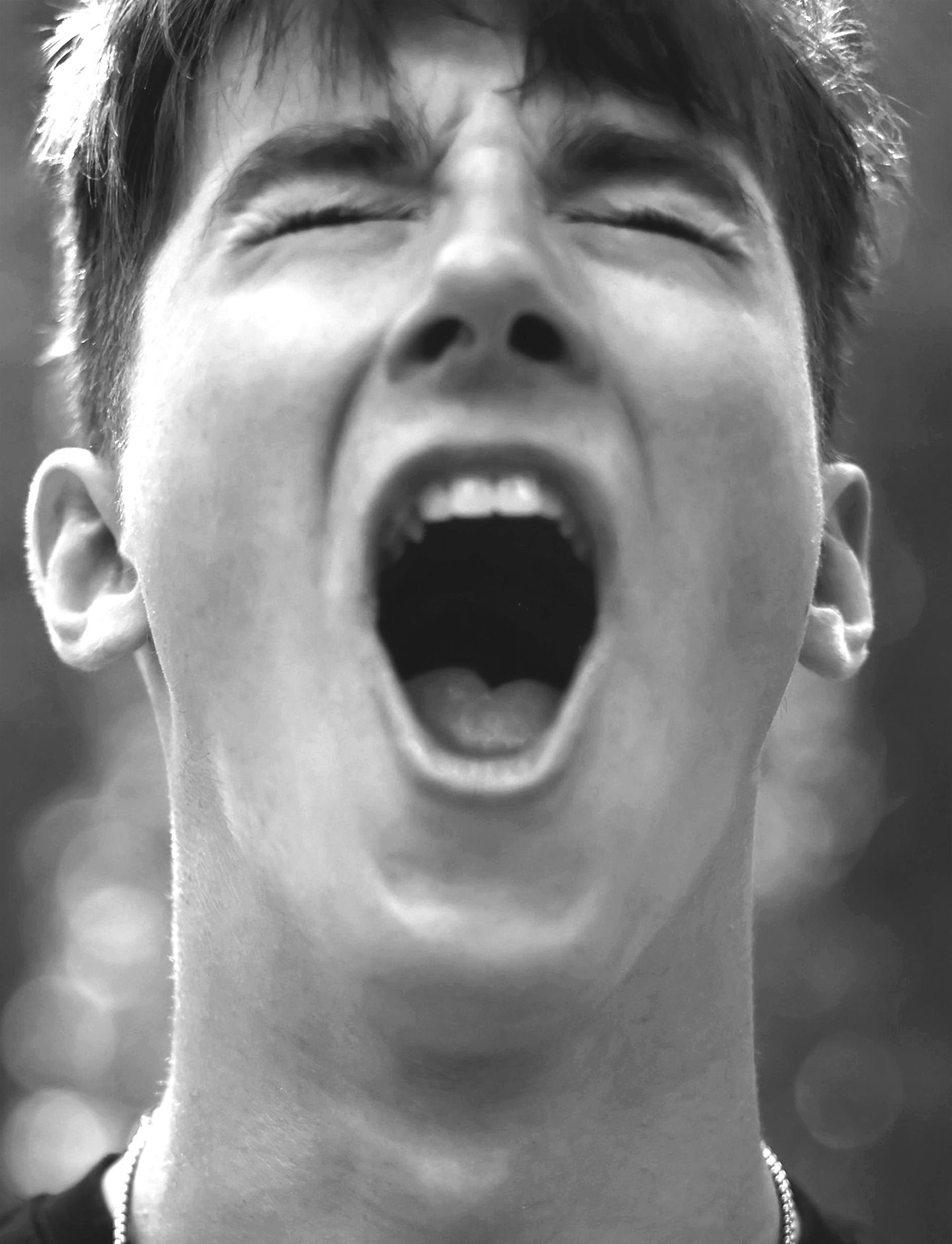
English: A teenager’s scream. Not just a sound, but the moment when inner silence can no longer hold its weight. Fears, doubts, self-rejection, and an endless inner dialogue merge into one intense breaking point.
Sometimes the world feels as if it demands too much—from both teenagers and adults. Too many expectations, too much noise, and too little space for oneself.Born from personal experience, this project explores the moment when everything inside needs to be released. The scream becomes both a cry of pain and an act of liberation—a way to let go and finally breathe.
Lietuvių: Paauglio šauksmas – tai ne tik garsas, bet momentas, kai vidinė tyla nebeišlaiko savo svorio. Baimės, abejonės, savęs nepriėmimas ir nesibaigiantis vidinis dialogas susilieja į vieną intensyvią akimirką.
Kartais atrodo, kad pasaulis reikalauja per daug – per daug lūkesčių, triukšmo ir per mažai vietos sau.Šis projektas gimė iš asmeninės patirties. Šauksmas čia tampa ne tik skausmo išraiška, bet ir išsilaisvinimu – bandymu paleisti viską, kas ilgai buvo laikoma viduje.
When silence breaks
(lt. Kai tyla lūžta)
Echoes of the soul
(lt.Iš sielos gelmių)
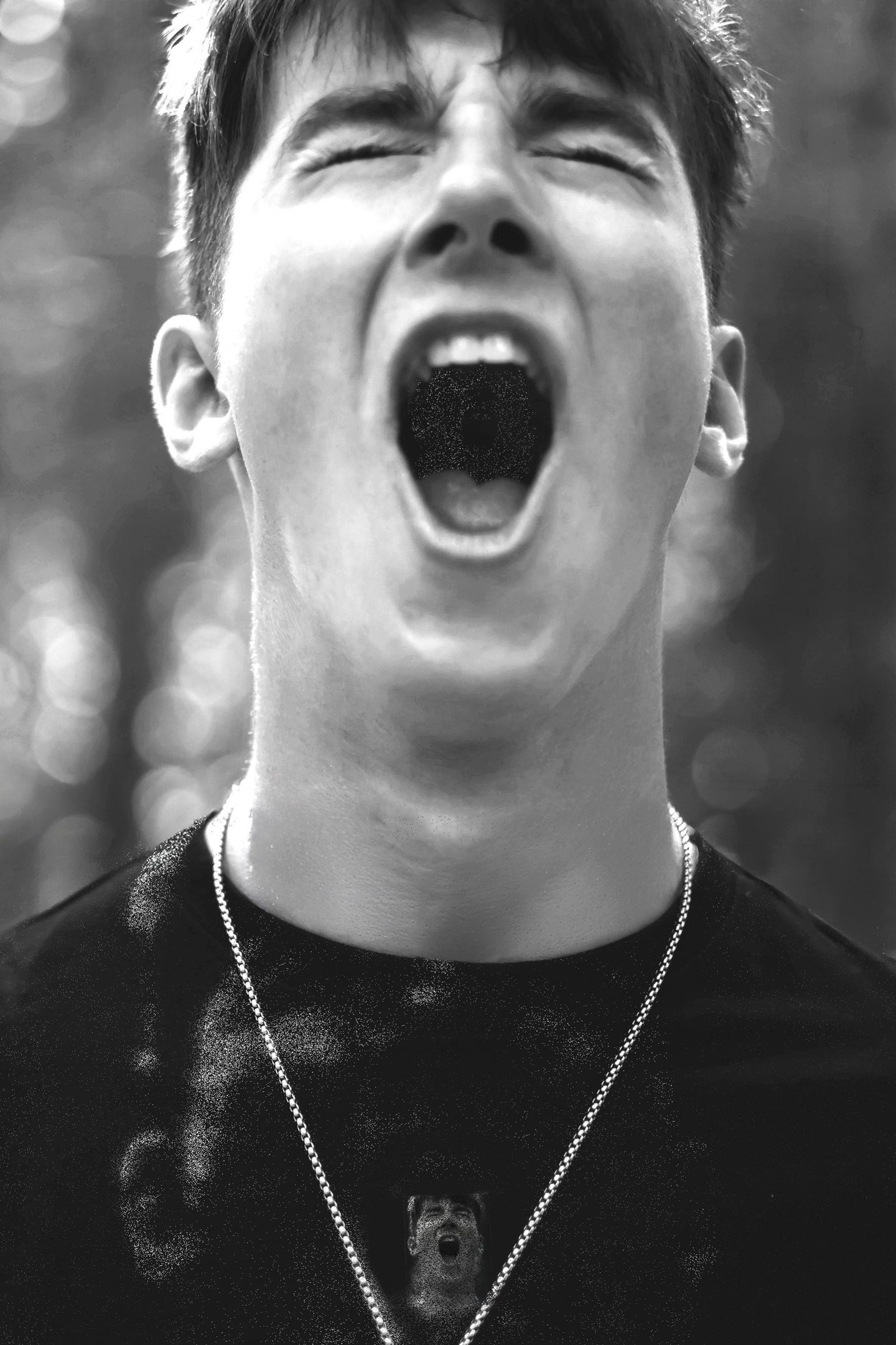
English: The scream comes from the soul. The body may appear calm and healthy, yet inside it holds suppressed emotions, unspoken experiences, and uncomfortable situations where one cannot truly be oneself. Often we must adapt, meet expectations, and learn to become someone else.
The soul, like the heart, tries to free itself through voice and sound. The scream becomes a way to release the thoughts and experiences that have long been suppressed and held within.
Lietuvių: Šauksmas kyla iš sielos. Kūnas gali atrodyti ramus ir sveikas, tačiau viduje kaupiasi užgožtos emocijos, neišsakytos patirtys ir nepatogios situacijos, kuriose žmogus negali būti savimi. Dažnai tenka prisitaikyti, atitikti lūkesčius, mokėti būti kažkuo kitu.
Siela, tarsi širdis, per balsą ir garsą bando išsilaisvinti. Šauksmas tampa būdu paleisti įkalintas mintis ir išgyvenimus, kurie ilgą laiką buvo laikomi viduje.
When silence breaks
(lt. Kai tyla lūžta)
The Inner Vessel
(lt. Vidinis indas)
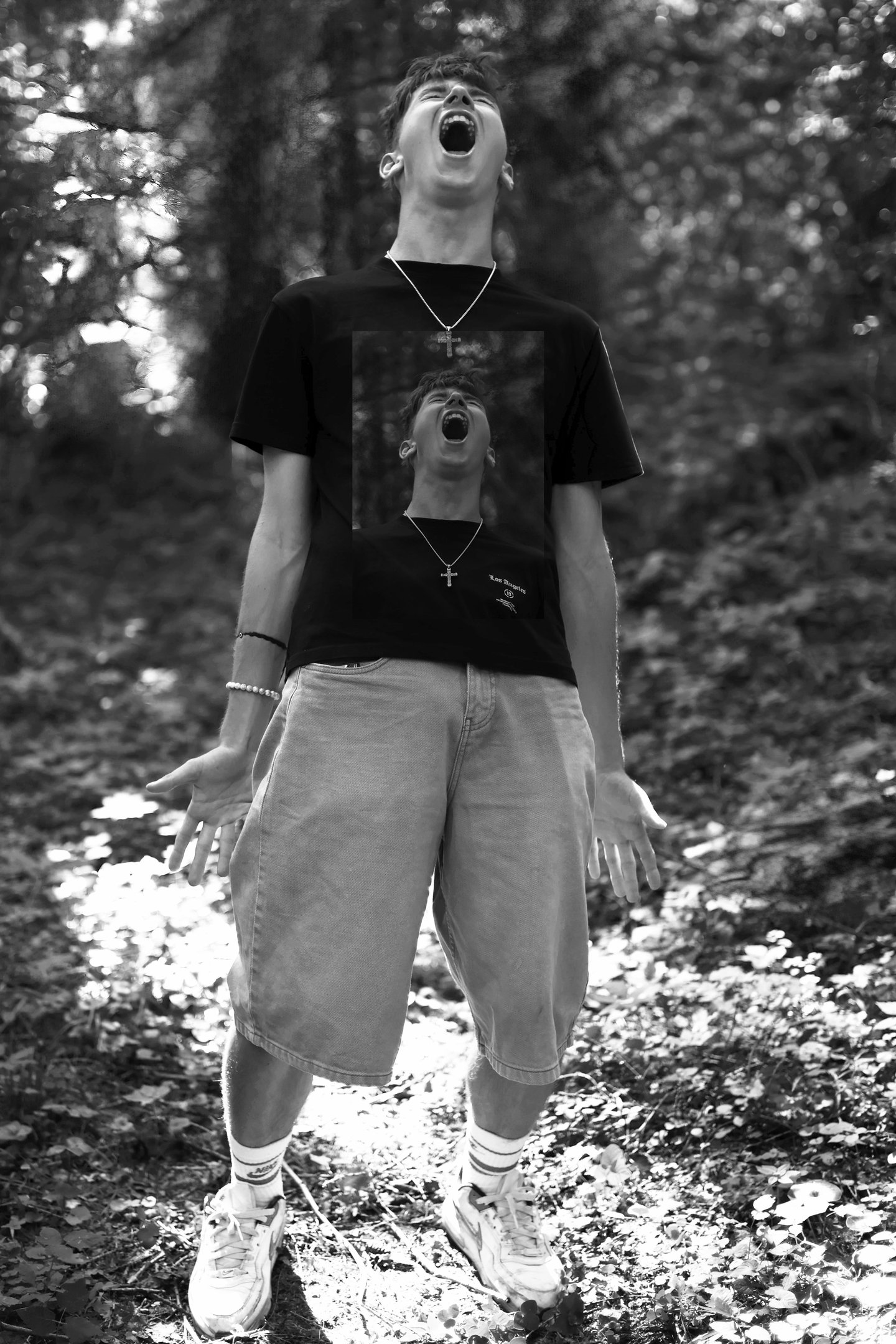
English: The soul’s scream can even break the silence of the forest and disturb its harmony. Yet it is within the forest, in the embrace of nature, that one can feel truly safe. Here a person is alone with their inner vessel—filled with the experiences of life, of the day, of fleeting moments.
Sometimes that vessel becomes so full that it begins to press from within. In that moment, the scream becomes a way to release what no longer fits in silence—to let go of the thoughts, emotions, and experiences that have built up inside.
Lietuvių: Sielos šauksmas gali net sulaužyti miško tylą ir sudrumsti jo harmoniją. Tačiau tik miško apsuptyje, gamtos glėbyje žmogus gali pasijusti saugus. Čia jis lieka vienas su savo vidumi – su vidiniu indu, kupinu gyvenimo, dienos ir akimirkų patirčių.
Kartais tas indas prisipildo tiek, kad pradeda spausti iš vidaus. Tuomet šauksmas tampa būdu išleisti tai, kas nebetelpa tyloje – paleisti susikaupusias mintis, jausmus ir patirtis.
When silence breaks
(lt. Kai tyla lūžta)
Shade of Scream
(lt. Šauksmo spalvos)
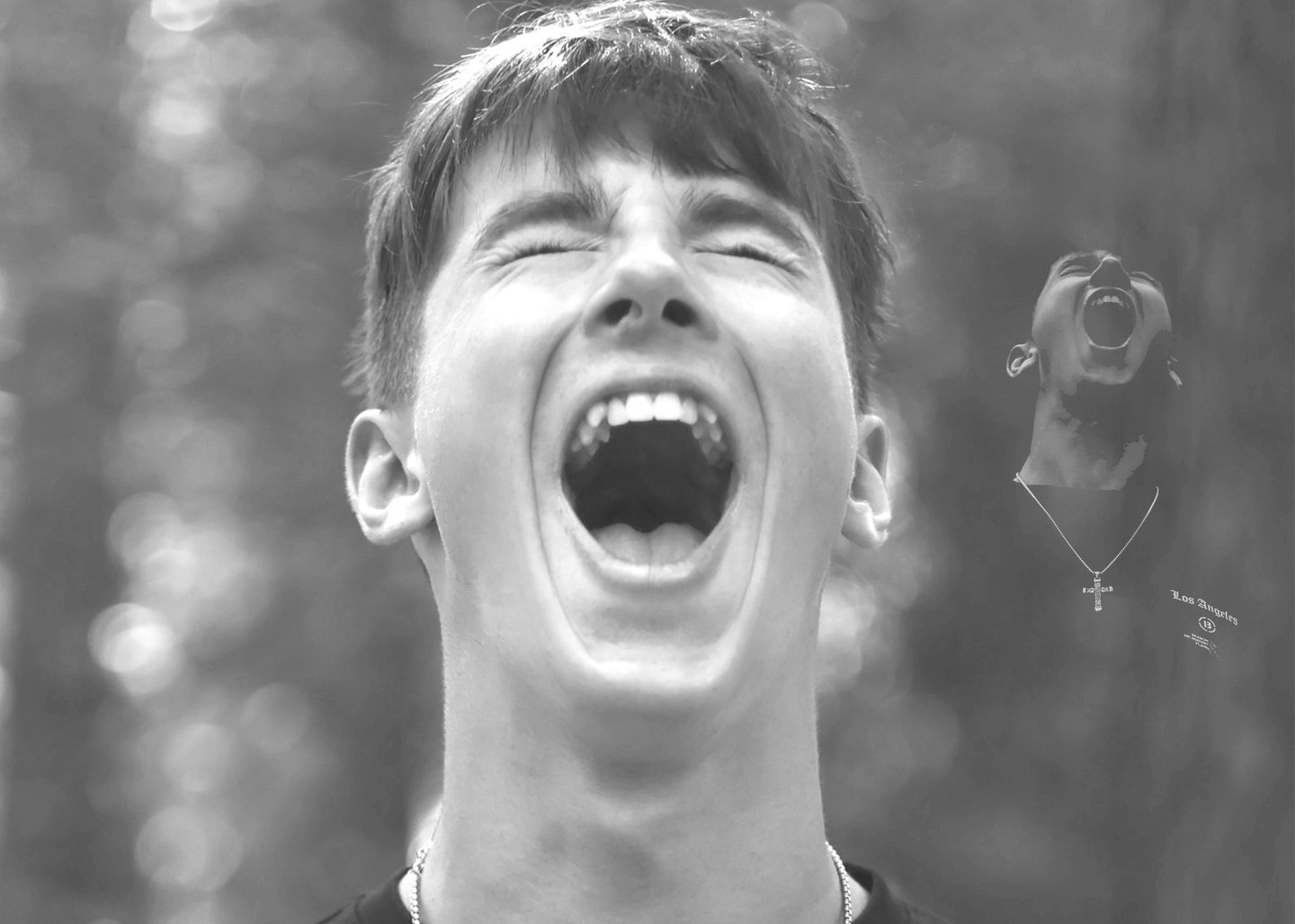
English: A scream can take on many shades. Its intensity depends on the accumulated noise, fears, and the degree to which we reject our true selves.
It is a gift that we can scream. Sometimes the inner burden becomes so heavy that there is no strength left, no sound emerges. The scream becomes a breaking point—a moment when we can finally be freed. And though it may not be easy for everyone, I believe we can.
Lietuvių: Šauksmas gali turėti daugybę atspalvių. Jo stiprumas priklauso nuo susikaupusio triukšmo, baimių, nuo to, kiek nepriimame tikrojo savęs.
Puiku, kad galime šaukti. Kartais vidinė našta būna tokia didelė, kad nebelieka jėgų, nebėra garso. Šauksmas tampa lūžio tašku – akimirka, kai galime išsilaisvinti. Ir nors ne visiems tai lengva, tikiu, kad galime.
When silence breaks
(lt. Kai tyla lūžta)
The Forest Within
(lt. Miškas viduje)
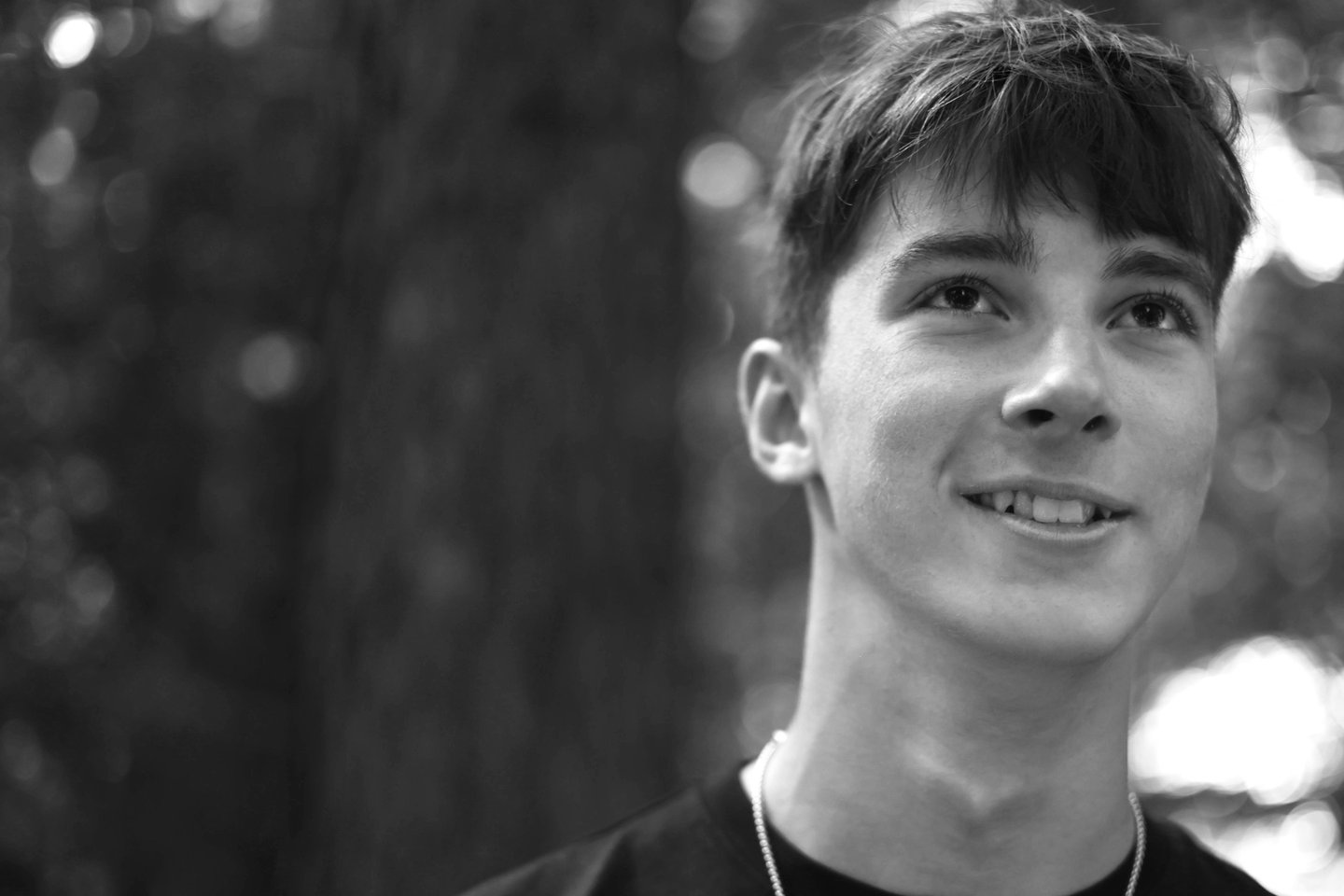
English: The forest is silence where we can hear ourselves, a space where we can be truly authentic. Releasing what is held within becomes a space for creativity, pause, reflection, and the joy of simply being – a smile, a sense of ease, a spark of happiness.
It is a moment when the inner self can relax, and silence is no longer empty but full of possibilities and inner calm.
Lietuvių: Miškas – tai tyla, kurioje galime išgirsti save, erdvė, kurioje galime būti tikri, autentiški. Išleidimas iš vidinio indo tampa erdve kūrybai, pauzei, refleksijai ir laimei tiesiog būti – šypsenai, lengvumui, džiaugsmui.
Tai akimirka, kai vidus gali atsipalaiduoti, o tyla tampa ne tuščia, o pilna galimybių ir vidinės ramybės.